



Ever notice how some teams just get it—they move fast, make smart calls, and people actually want to work there? Meanwhile other teams feel stuck, confused about direction, and leadership feels like everyone's just going through the motions?
The difference usually comes down to one thing: who's teaching them how to lead. Most folks grow up thinking leadership is something you're born with or happens when you get promoted. That's dead wrong. Real leaders are made—and they're made by people who know how to teach what matters.

If you're looking for someone who actually knows this stuff (not just read about it in a book), you need to pay attention here. Because what separates ordinary teams from extraordinary ones isn't luck. It's training that sticks, coaching that matters, and learning from people who've actually walked this path themselves. I've seen it transform organizations from complete messes into high-performance machines.
Finding the Right Fit: What Makes Top Speakers Stand Out?
So what's the difference between a decent speaker and someone who genuinely transforms how your team operates?
Simple. One changes how people think for a day. The other changes how they lead for years.
The speakers worth your time have real scars in their career stories. They've managed teams during absolute chaos. They've made hard calls that kept people awake at night. They know conflict intimately—not from theory or textbooks, but from actually being in the thick of it. When someone like that talks about crisis management or team dynamics, you're not hearing motivational fluff. You're getting the real deal from someone who's actually been in the trenches. That's the difference you feel instantly.
What Are the Best Leadership/Success Speakers Actually Offering?
Let's get specific. Quality speakers focus on three things that actually move the needle:
First: Real leadership development. Not the "rah-rah" stuff. We're talking about spotting talent on your team, building them up, and creating a culture where everyone wants to step up. This is what true leadership gold looks like. When you do this right, people stay. Your best talent doesn't leave for another job. Teams gel faster. Turnover drops.
Second: Emotional intelligence—which is basically understanding people (including yourself). Here's the thing most leaders miss: you can have a brilliant strategy, but if your team doesn't trust you, nothing happens. If people feel like you don't get them, they hold back. Smart speakers teach you how to read people, manage your own emotions under pressure, and actually connect rather than just dictate orders. This isn't soft stuff. It's the difference between a team that follows orders and a team that goes to war for you.
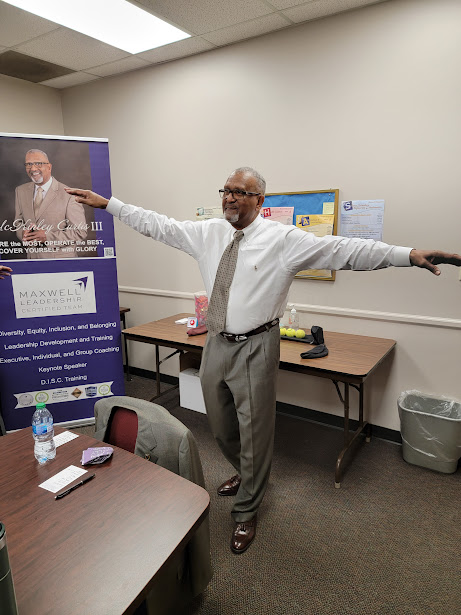
Third: Strategic planning. You need people who can see where the market's heading, not where it's been. Who can build a roadmap everyone understands and will actually execute. Who can allocate resources intelligently instead of hoping things work out. McKinley Curtis III and speakers like him teach frameworks that Fortune 500 companies use—and they work just as well for mid-size businesses trying to punch above their weight.
Why Companies Are Actually Writing Checks for This
Let me give you the reality check. When organizations invest in serious leadership development:
- Employee engagement jumps. We're talking 40-50% improvements in how much people actually care about their work.
- People stop leaving. Turnover drops by a third. That's huge because replacing someone costs 50-200% of their salary. Think about that for a second.
- Stuff gets done faster. Productivity shoots up because people aren't confused or working at cross-purposes.
- Customers notice. When your teams are solid, customers feel it. Satisfaction goes up.
None of that happens by accident. It happens because someone brought in a real expert, invested time, and actually changed how the organization operates. I'm not exaggerating when I say this is literally one of the best ROI decisions a company can make.
The difference between throwing together a generic workshop and hiring a real speaker? One costs money and wastes everyone's time. The other costs money and transforms your organization.
What Are You Actually Learning?
Most programs worth your time hit these areas:
You can't avoid conflict—so you might as well get good at it. Conflict resolution training teaches teams how to disagree without destroying relationships. This alone saves most companies a fortune in drama and wasted time.
How do you know if people are actually doing better work? Performance measurement systems show you what matters and keep everyone accountable. Simple, right? Yet most teams just guess.
Teams that work together beat teams that just occupy the same space. Real team development creates chemistry. It's the difference between people who tolerate each other and people who actually have each other's backs.
Here's the key: these aren't separate topics. They're woven together. You can't get emotional intelligence without understanding yourself better. You can't do strategic planning without understanding your team's strengths. It all connects.
How Do You Start?
Stop and ask yourself some hard questions. What leadership gaps are costing you right now? Is it turnover? Is your team lacking direction? Are people not talking to each other? Do conflicts keep happening?
Once you know what you're fighting, you can find the best leadership/success speakers and the right program that addresses your specific needs.
Real training isn't a day-long seminar where everyone drinks coffee and pretends to take notes. It's ongoing. Some individual coaching. Some group sessions. People learning from each other. And follow-up—because behavior change takes time.
You're not going to a feel-good event. You're making a change to how your organization operates.
The Bottom Line
Looking for proven training solutions? Here's what separates the truly transformative ones from everyone else: they're architects of change, not cheerleaders. They bring real experience, frameworks that actually work, and the ability to adapt training to your specific problems—not generic ones.
When your leaders get better at emotional intelligence, when your strategy actually makes sense to everyone, when people feel developed instead of used—yeah, everything shifts. Your culture improves. People perform better. You retain talent. You adapt faster. And your bottom line reflects all of that.
It's not mysterious. It's not magic. It's systematic development from people who know what they're doing.
Ready to Actually Do Something About This?
Look, if you're reading this far, you already get it. Leadership training works when it's done right. Curtis Leadership and Training doesn't mess around—we connect organizations with facilitators who've been there and know what they're doing.
We work with what you've got. Need a quick intensive workshop? Done. Want ongoing coaching over months? We do that too. Trying to build leadership culture across your whole organization? That's basically our specialty at this point.
Don't sit around another year watching the same problems repeat. Call (706) 627-4863 and talk to someone real about what you're dealing with. Or write an email to sitruc3@gmail.com if that's easier. We're at 256 Bob G. Hughes Blvd, Harvest, AL 35749 if you want to meet face-to-face.
FAQs (Frequently Asked Questions)
FAQ 1: What If You're in Alabama, Georgia, or Tennessee and Want Real Results Fast?
Real talk? The companies seeing fastest results use flexible programs they can fit into their actual schedule. Curtis does this because they get regional businesses—they know what you're dealing with. You focus on emotional intelligence and strategic planning for maybe 2-3 hours a week, and you'll notice the difference in 60 days or so. Your leaders make decisions faster. Conflicts don't blow up. People stop leaving. It works because it's targeted at what you actually need, not generic stuff.
FAQ 2: Should You Bring Speakers In-Person or Keep It Virtual?
Honestly? In-person wins for creating real connections. People bond, they talk in breaks, they get more out of it. But here's the thing—virtual works great too if you do it right with follow-up coaching. Lots of organizations go hybrid now (some in-person stuff early on, then virtual check-ins later). Curtis does both. The format doesn't matter as much as having real accountability and making sure people actually change, not just attend. Pick what works for your team.
FAQ 3: How Do You Actually Measure If Leadership Training Is Worth the Money?
Stop guessing. Track the real stuff: How long are people staying? What's productivity actually doing? Are conflicts getting resolved faster? Is your succession pipeline real or made up? Customer satisfaction—does that go up? Companies that work with Curtis measure before they start and then monthly after. On average they see engagement go up 25-35% in the first 90 days, way less turnover (like a third less) within six months, and actual revenue movement inside a year because teams finally execute strategy right instead of chasing their tails.











0 comments:
Post a Comment